Wood vs Composite Decking: Which is Best for Your Pennsylvania Home?
Garloff Carpentry, LLC • June 3, 2026
When deciding to build or replace an outdoor living space, one of the most significant choices a homeowner faces is selecting the right material. At Garloff Carpentry, LLC, we know that in Pennsylvania—where the climate ranges from freezing, snowy conditions to hot, humid weather—the material you choose must be able to withstand diverse environmental stressors. The debate typically comes down to two primary contenders: traditional wood and modern composite. With expert insight from Garloff Carpentry, LLC, you’ll better understand the differences, benefits, and maintenance requirements of each, helping you make an informed investment for your home.
THE CLASSIC APPEAL OF TRADITIONAL WOOD
For decades, wood has been the standard choice for outdoor construction. Materials like cedar, redwood, and pressure-treated pine offer a natural, rustic aesthetic that many homeowners love.
Pros and Cons of Wood
The primary advantage of wood is its timeless beauty and authentic feel. It is also generally more cost-effective upfront compared to synthetic alternatives.
- Aesthetic Warmth: Nothing quite replicates the natural grain and rich color variations of real wood.
- Customization: Wood can be easily painted or stained to match any exterior design scheme.
- High Maintenance: Wood is highly susceptible to rot, splintering, and insect damage. It requires a rigorous maintenance schedule, including sanding, sealing, and staining every one to three years to preserve its integrity.
THE MODERN INNOVATION OF COMPOSITE MATERIALS
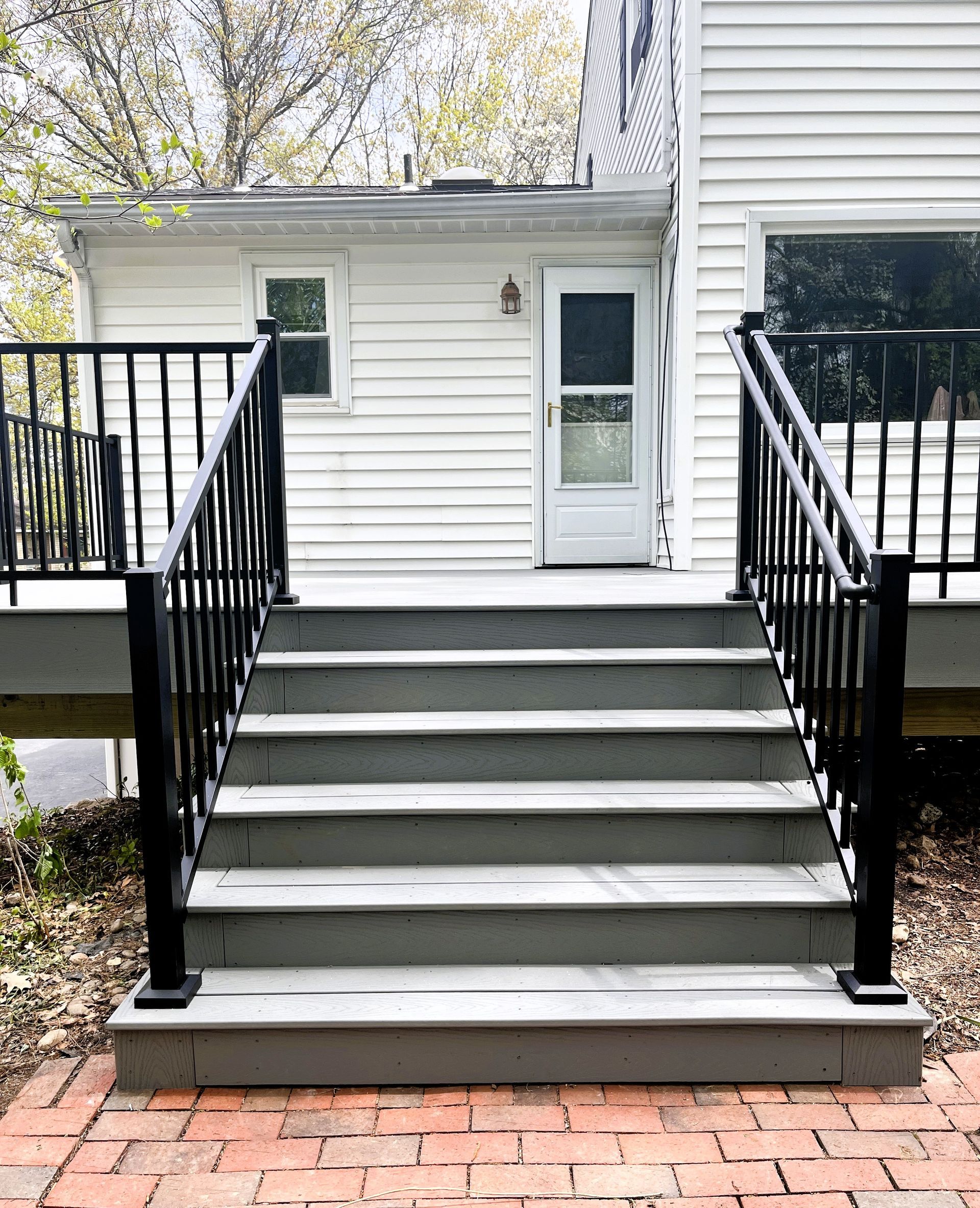
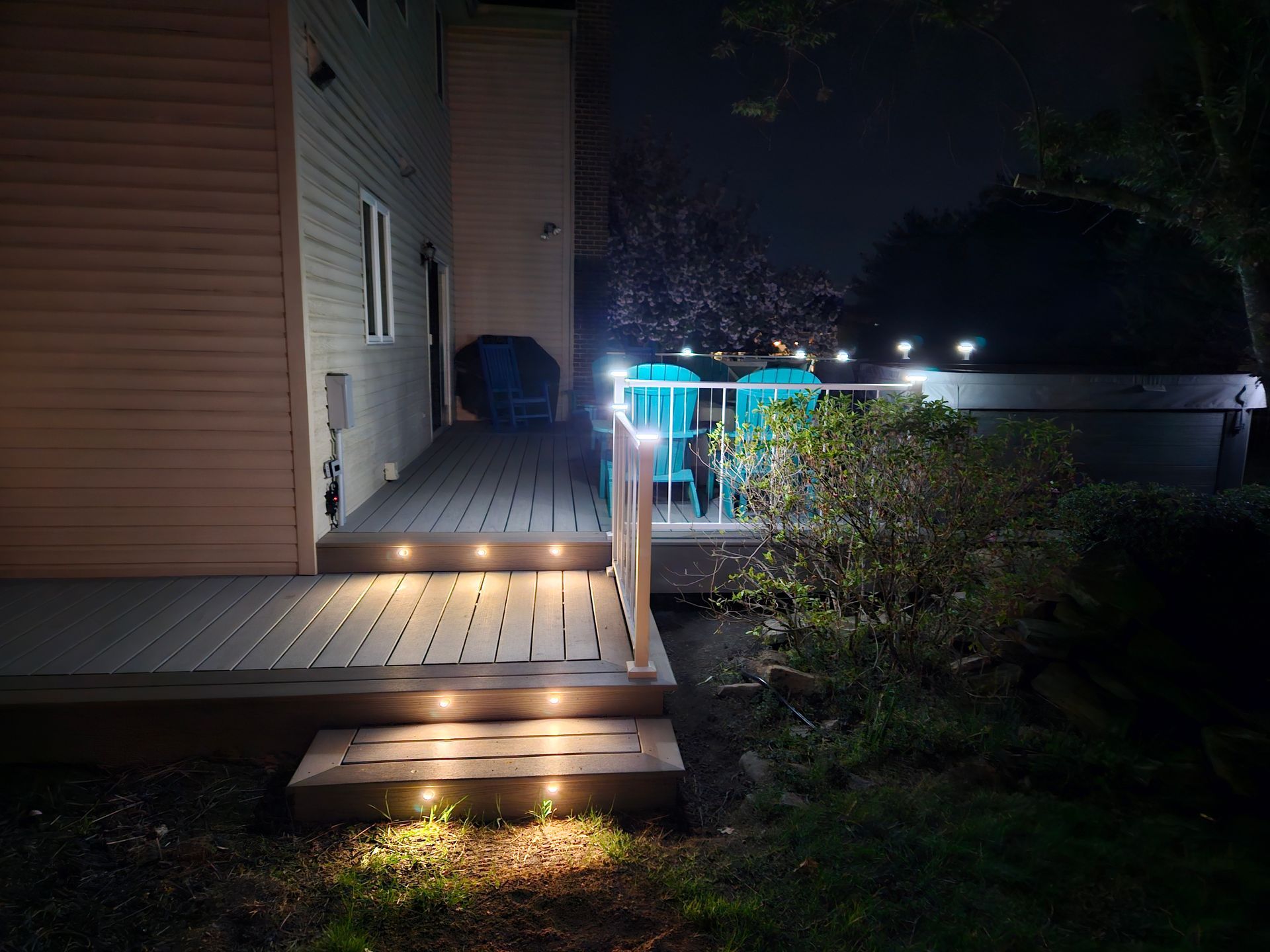
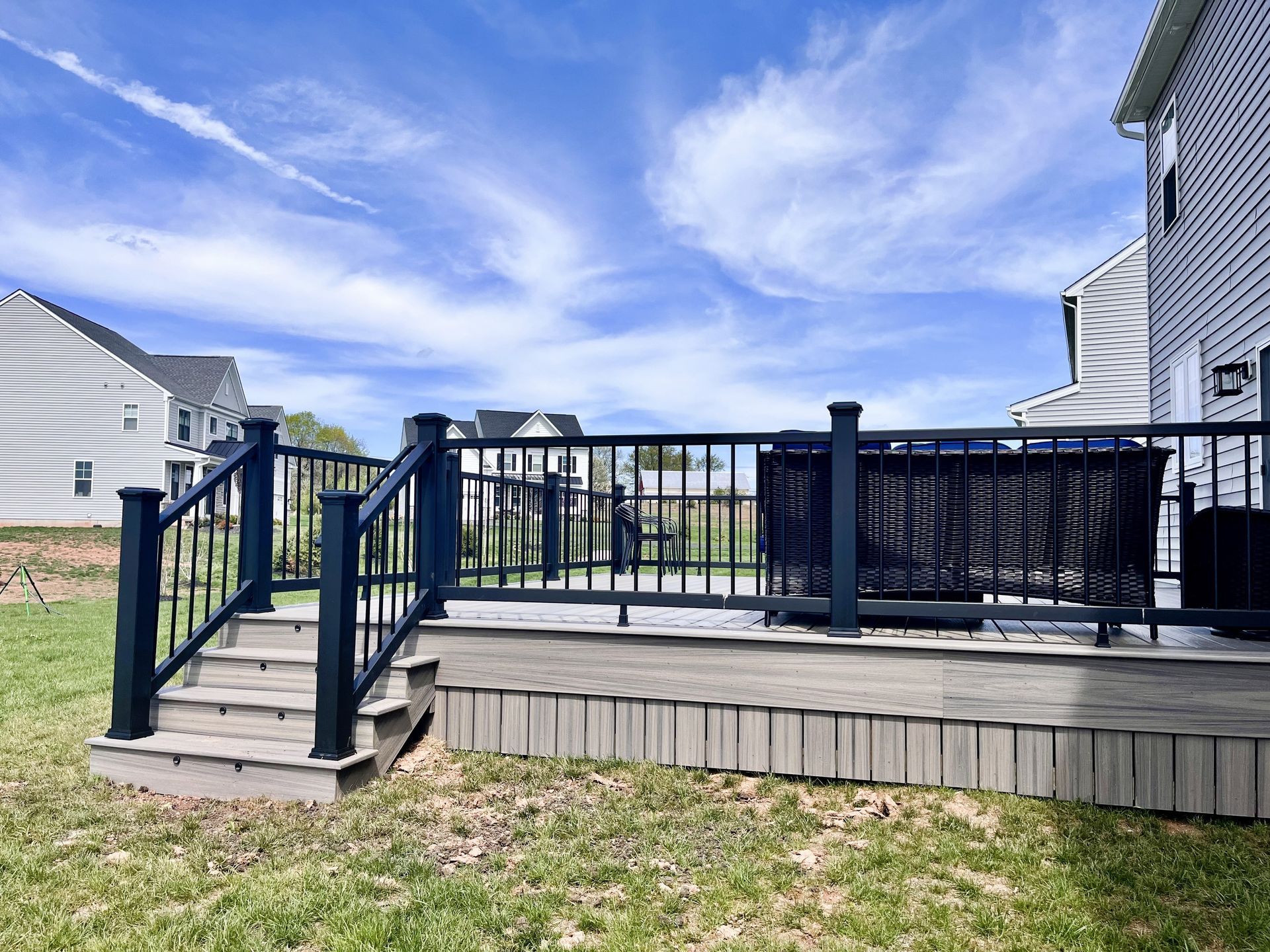
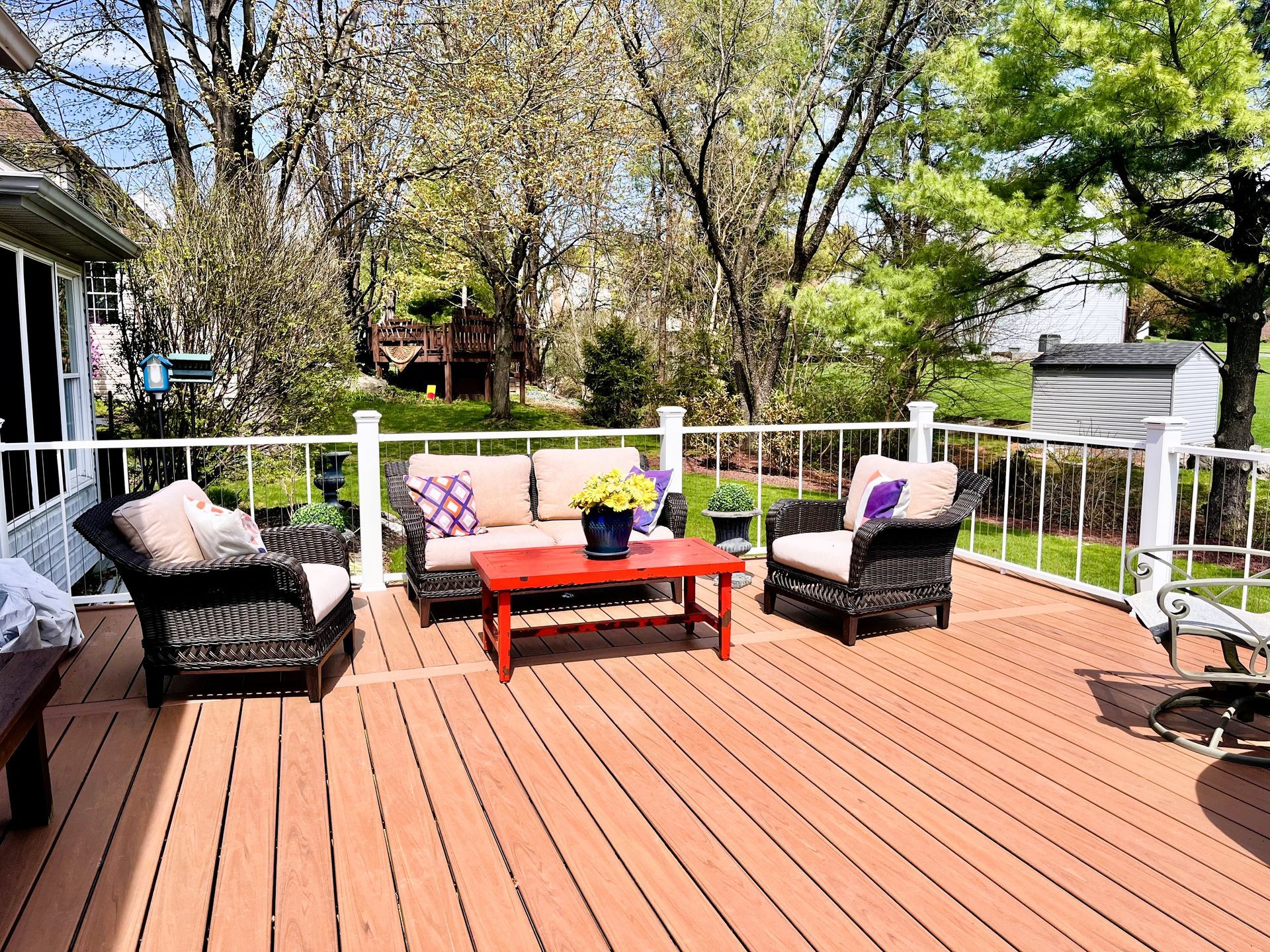
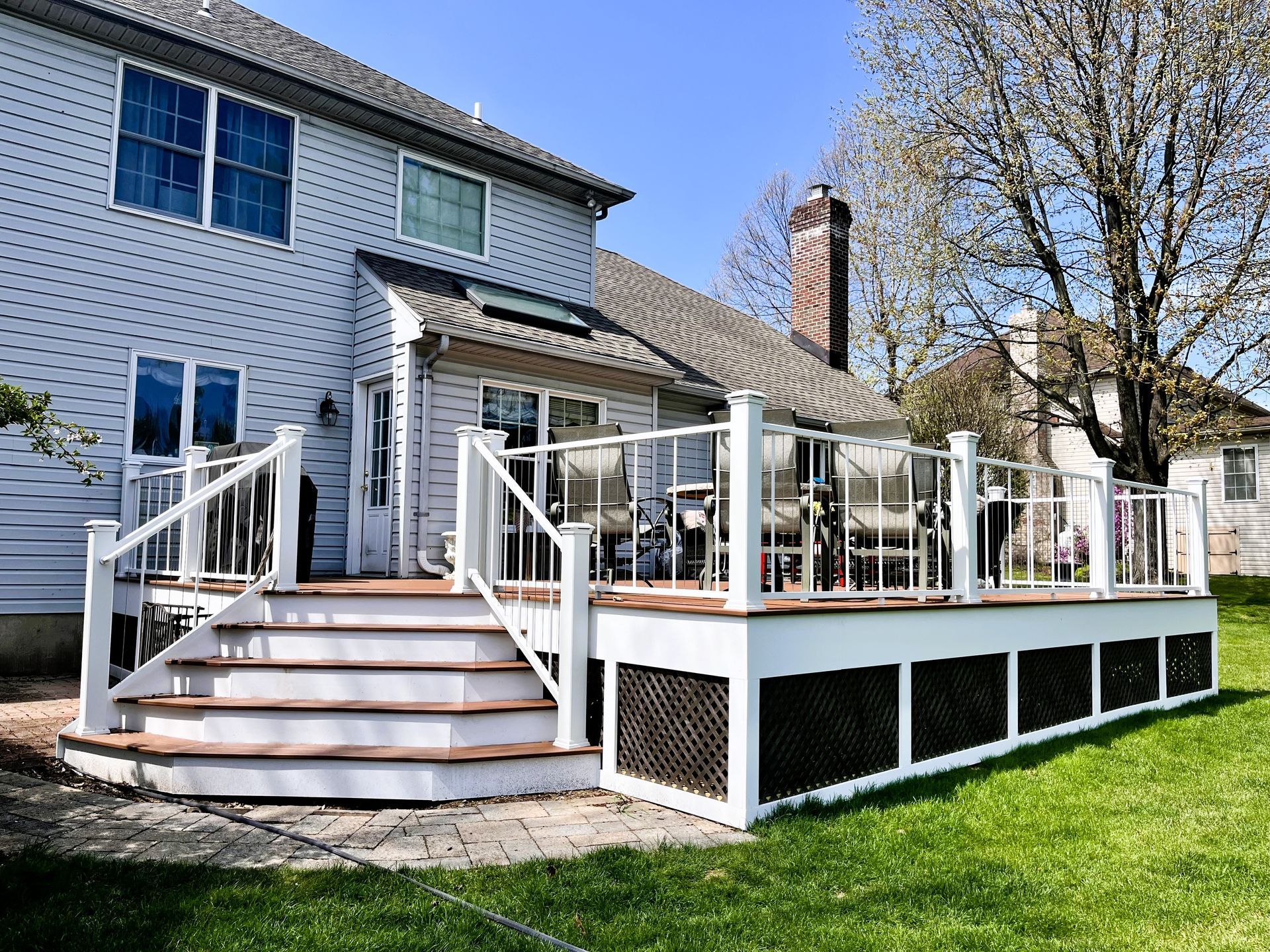
Composite decking, such as Trex, is engineered from a blend of recycled wood fibers and durable plastics. This innovative material was designed specifically to address the shortcomings of traditional wood.
Pros and Cons of Composite
While the initial investment for composite is typically higher, the long-term benefits often outweigh the upfront costs for many homeowners.
- Extreme Durability: Composite materials are highly resistant to fading, staining, scratching, and mold. They do not warp or splinter under harsh weather conditions.
- Ultra-Low Maintenance: Forget the sander and the stain; composite surfaces usually only require a simple cleaning with soap and water once or twice a year.
- Eco-Friendly: Brands like Trex use up to 95% recycled materials, making it a highly sustainable choice.
- Higher Upfront Cost: The primary drawback is the initial price tag, though the lack of maintenance costs over a 25-30 year lifespan makes it a wise financial decision overall.
FREQUENTLY ASKED QUESTIONS
Q: How long do these materials typically last?
A: A well-maintained wood structure can last 10 to 15 years, whereas a high-quality composite structure can easily last 25 to 30 years or more with minimal upkeep.
Q: Does composite material get hotter in the sun than wood?
A: Older generations of composite could retain heat, but modern composite materials are engineered with advanced cooling technology to stay comfortable underfoot, similar to traditional wood.
Q: Can I replace just the surface boards if my foundation is still good?
A: Yes, if your structural framing and ledger board are entirely sound and up to code, a professional can perform a "deck resurfacing," replacing only the top boards with composite material.
MAKE THE RIGHT CHOICE FOR YOUR LIFESTYLE
Choosing between wood and composite ultimately comes down to your budget, aesthetic preference, and willingness to perform ongoing maintenance. If you want a beautiful, low-maintenance space that lasts for decades, composite is an exceptional choice. The expert team at Garloff Carpentry, LLC in Mertztown, PA, is ready to help you navigate these options. As a TrexPro® Platinum builder, we guarantee superior craftsmanship and lasting results. Contact us today for your free consultation!
Share This Blog