The Truth About Pressure Treated Wood Shrinkage In Winter
Garloff Carpentry, LLC. • November 18, 2026
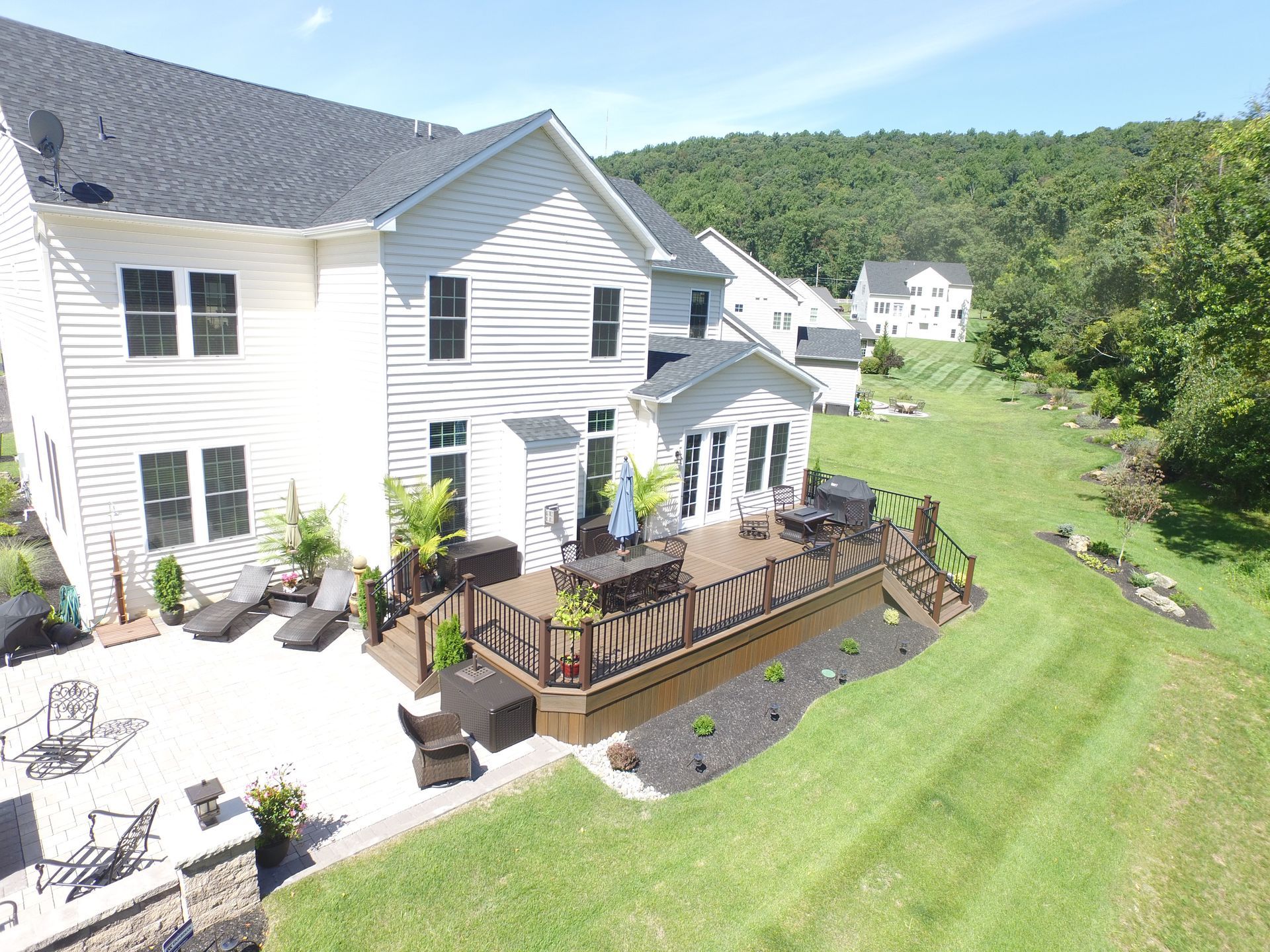
Buying fresh lumber for a backyard build comes with an expectation of perfectly tight and flawless flooring. When the temperature drops and those brand new boards begin to gap, property owners often think their builder made a massive structural mistake. The team at Garloff Carpentry, LLC fields questions about these natural material shifts constantly during the colder months. Learning the science behind pressure treated wood deck construction saves you from unnecessary stress when the seasons finally change.
Freshly milled lumber contains massive amounts of liquid chemicals pressed deep into the wood grain at the factory. As the wood sits outside in the freezing winter air, that internal moisture evaporates and the physical boards shrink significantly. This contraction is a totally normal process that every experienced carpenter anticipates during the initial installation phase. Knowing how to manage this drying phase guarantees your new floor settles perfectly into a flat and functional surface.
Here is what we cover below:
- Understanding Factory Moisture Content
- The Physics Of Winter Evaporation
- Why Tight Installation Is Absolutely Mandatory
- Managing Board Cupping And Warping
- Frequently Asked Questions
Understanding Factory Moisture Content
Pressure treated lumber gets its incredible durability from copper based chemical preservatives injected directly into the wood under extreme pressure. When this lumber arrives at a job site, it is literally heavy with standing water and chemical liquids. The boards are physically swollen to their absolute maximum size.
→ A quick tip to remember: A standard treated pine board can shrink up to a quarter of an inch in width as it dries out over the first year.
If a contractor does not understand this moisture content, they will install the boards exactly like dry indoor hardwood. This leads to massive, ugly gaps appearing across your entire outdoor living space a few months later.
The Physics Of Winter Evaporation
The cold winter air in Pennsylvania is incredibly dry and acts like a massive sponge pulling moisture out of everything. We are often asked if it is normal for new deck boards to shrink so aggressively during January and February. The lack of humidity in the winter air rapidly accelerates the drying process of freshly treated lumber.
Because the air is dry and the ground is frozen, the wood fibers compress tightly as the internal water leaves the cells. You will actually hear the wood popping and cracking slightly as the tension releases across the grain. This is a completely natural acclimation period that prepares the wood for a long life in a harsh outdoor environment.
Why Tight Installation Is Absolutely Mandatory
A professional builder uses the heavy moisture content of the wood to their distinct advantage during the framing process. When we lay down soaking wet pressure treated pine, we force the boards as tightly against each other as physically possible. We leave absolutely zero gap between the edges of the planks.
► Leaving a standard nail width gap between wet treated boards guarantees you will have a tripping hazard by next summer.
As the wet wood dries and shrinks over the next six months, a perfect natural gap slowly forms between every single board. This allows rainwater and melting snow to drain easily away from the surface.
Managing Board Cupping And Warping
Wood naturally wants to twist and bend as it dries because the top of the board facing the sun dries faster than the bottom facing the dark ground. This uneven drying causes the edges of the plank to curl upwards in a process known as cupping.
Our Northampton County crews manage this powerful tension by paying strict attention to the end grain of every board we install. We ensure the natural growth rings of the wood curve downwards toward the frame. We also use heavy duty structural deck screws rather than cheap nails to lock the wood flat against the joists.
Frequently Asked Questions
Does composite decking shrink in the winter?
Unlike natural wood, composite decking boards do not absorb massive amounts of water or shrink as they dry out. However, dense plastic materials react heavily to extreme temperature changes. Composite boards actually shrink in length when the air gets freezing cold and expand rapidly when the summer sun hits them. Professional builders leave specific expansion gaps at the ends of the boards to handle this thermal movement.
How do I stop my wood deck from cracking?
You cannot stop a natural wood product from developing small hairline cracks known as checking. These tiny surface splits occur naturally as the wood releases internal tension and do not affect the structural strength of the board. Applying a high quality penetrating oil sealer once the wood has fully dried keeps the board hydrated and minimizes excessive deep cracking.
Trust The Acclimation Process
Understanding how raw lumber behaves in a harsh climate helps you appreciate the deep craftsmanship behind a proper outdoor build. Allowing your new floorboards to dry and shrink naturally ensures a perfectly spaced and beautiful final result. Contact our expert team today to plan a custom wood deck installation that lasts for decades.
Share This Blog