Can You Really Use A Three Season Patio Enclosure Year Round
Garloff Carpentry, LLC. • October 14, 2026
Adding a glass or vinyl sunroom provides a fantastic escape from the heavy summer heat and biting insects. The temptation to treat this space as a permanent extension of your heated living room is incredibly common in the home improvement world. The crew at Garloff Carpentry, LLC builds these specific structures to give homeowners more usable time outside. Expecting a non insulated outdoor room to stay cozy during a freezing winter completely misunderstands how these structures function.
Knowing exactly how your new addition handles changing weather prevents severe buyer remorse down the road. Many buyers falsely assume that keeping the doors closed will naturally trap enough heat for winter enjoyment. The reality is that an unconditioned space always matches the ambient outdoor temperature once the sun goes down. Setting practical expectations for your patio enclosure construction ensures you maximize the space during the proper months in the Upper Perkiomen Valley.
In This Article:
- The Reality Of Autumn Temperatures
- Why A Three Season Room Cannot Handle Winter
- Maximizing Your Usable Autumn Timeline
- Frequently Asked Questions
The Reality Of Autumn Temperatures
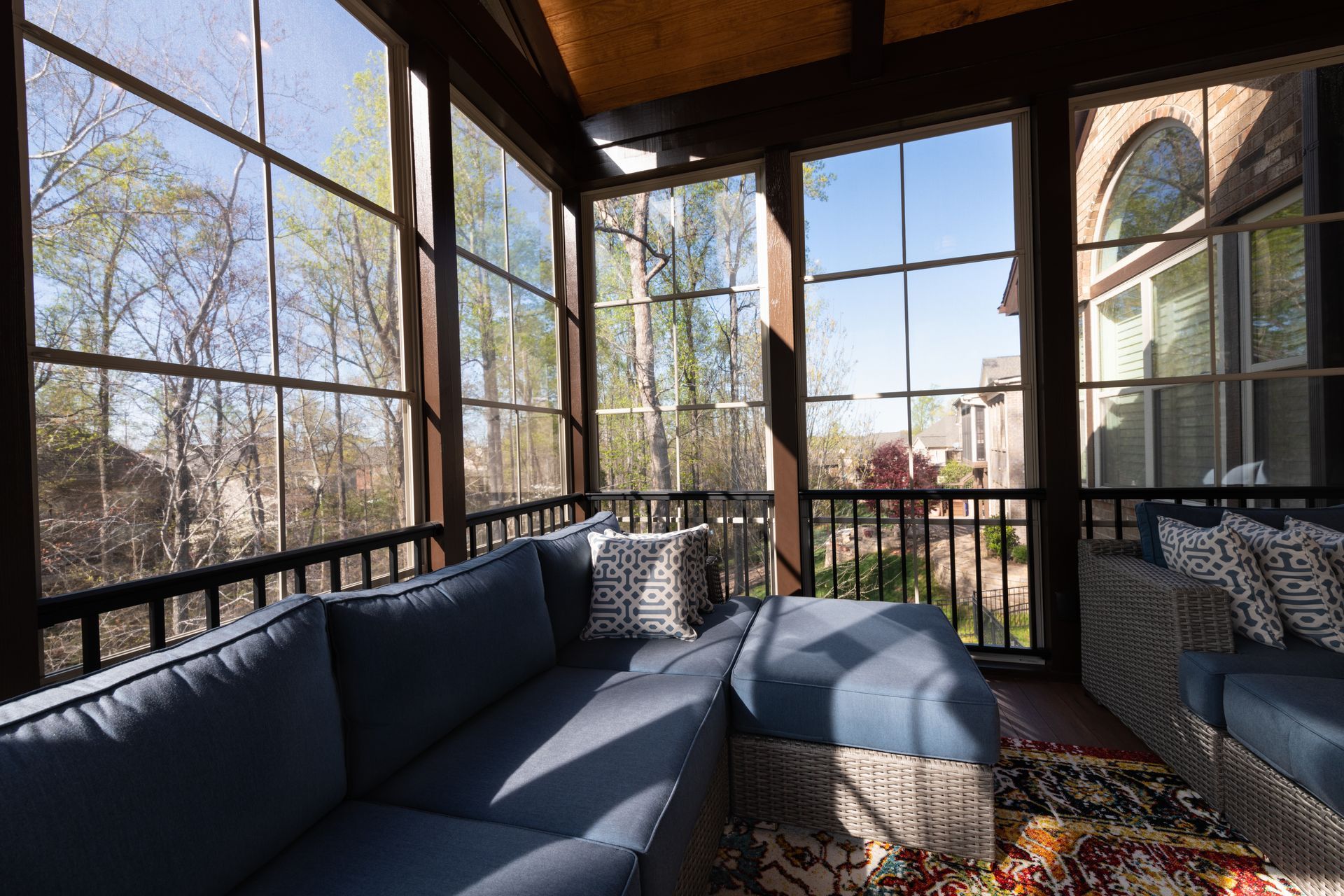
A three season patio enclosure is built to protect you from wind, rain, and bugs during spring, summer, and early fall. The materials used in these builds prioritize maximum visibility and airflow over heavy thermal insulation. During a sunny October afternoon, the glass or vinyl windows capture enough solar radiation to keep the room quite comfortable.
→ A quick tip to remember: The room will always feel warm in direct sunlight, but it loses that heat instantly when the sun sets.
Once the ambient temperature drops in the evening, the cold air transfers directly through the thin walls and the floor. You can easily enjoy your morning coffee out there in a sweater during the fall, but it will not feel like your indoor living room.
Why A Three Season Room Cannot Handle Winter
The most common overestimation clients make is believing they can heat a three season room cheaply during a snowstorm. These structures are built on standard outdoor decks or uninsulated concrete slabs. They do not have fiberglass insulation in the floors or heavy thermal breaks in the aluminum wall framing.
→ From a professional standpoint: Pumping forced hot air into an uninsulated room is just throwing expensive energy straight out the window.
Because the metal framing conducts cold directly from the outside, the interior walls literally turn freezing to the touch. If you try to heat the air inside while the walls remain freezing, you create massive condensation. This trapped water drips down the glass and eventually causes heavy mold growth on your expensive outdoor furniture.
Maximizing Your Usable Autumn Timeline
You can stretch your usability deep into November if you plan your daily usage around the natural weather patterns. Taking advantage of solar heat gain requires managing your blinds and knowing when to open the doors to the main house. We advise our clients on how to operate their specific layout for the best results.
→ A quick tip to remember: Opening your house door during peak afternoon sun lets the warm indoor air mix with the sunroom naturally.
Laying down thick area rugs over the cold floorboards blocks cold drafts from rising up under your feet. Keeping heavy blankets on the furniture makes the space a perfect spot for reading on a brisk autumn afternoon.
Frequently Asked Questions
What is the difference between a three season and four season room?
A three season room is built with single pane glass or thick vinyl windows and lacks internal insulation in the walls or floor. It is designed purely to block wind and bugs during mild weather months. A four season room is built exactly like a standard house addition, featuring double pane insulated glass, thick fiberglass wall insulation, and a dedicated connection to your home heating system.
Does a vinyl patio enclosure hold any heat at night?
Vinyl tracking systems offer zero thermal resistance to cold outdoor air. The moment the sun goes down and the solar radiation stops, a vinyl enclosure cools down to match the exact temperature of the yard outside. You cannot rely on these thin materials to trap residual heat overnight during a cold Pennsylvania autumn.
Can I run a space heater in my enclosed patio safely?
You can safely run a small electric space heater in an enclosed patio for short periods of time while you are actively sitting in the room. You should never leave a heating unit running unattended because the uninsulated walls will never actually reach a stable warm temperature. Running a heater constantly in a cold glass room also creates heavy condensation puddles on the floor.
Plan Your Enclosure Realistically
Understanding the thermal limits of your outdoor addition means you can actually enjoy it without frustration. Using the space exactly as intended gives you months of comfortable outdoor living without astronomical heating bills. Contact our design team to discuss which enclosure style fits your seasonal lifestyle best.
Share This Blog