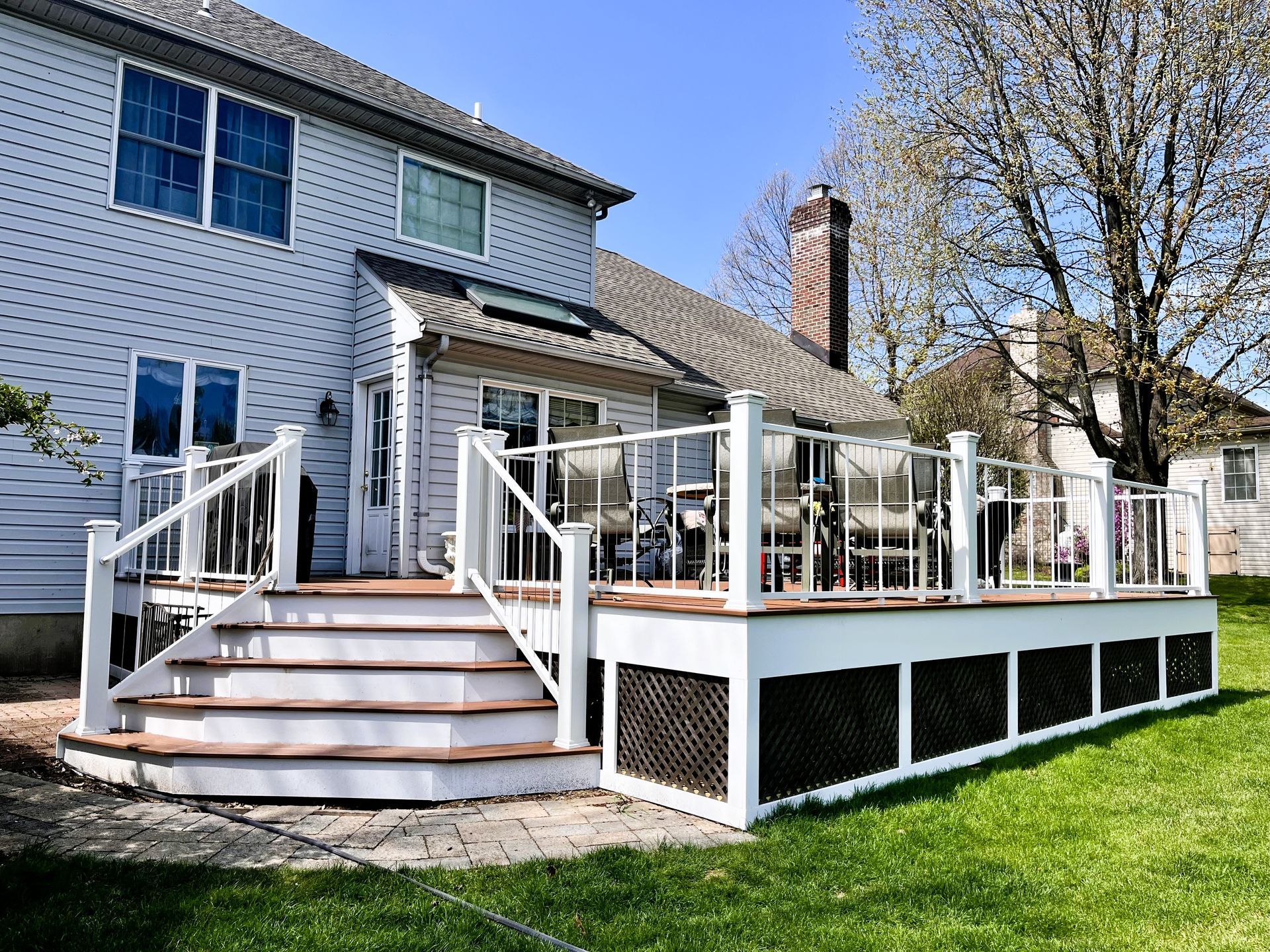
The Honest Truth About Zero Maintenance Composite Decking Materials
Garloff Carpentry, LLC. • August 25, 2026
Upgrading your backyard with synthetic materials sounds like the end of your heavy weekend chores. The promise of a completely hands off outdoor space is a huge selling point in the home improvement industry right now. The professionals at Garloff Carpentry, LLC frequently install these modern materials for clients seeking an easier lifestyle. Expecting a totally zero upkeep structure sets you up for major frustration when dirt inevitably accumulates.
Understanding the actual care requirements of synthetic boards ensures your investment looks great for decades. Many buyers believe they can ignore their new surface entirely once the deck installation is finalized. While these materials vastly outperform natural wood, they still exist in an outdoor environment filled with sticky pollen and debris. Knowing exactly what to expect helps Montgomery County homeowners make the right material choice for their property.
In This Article:
- The Myth Of The Zero Upkeep Backyard
- What Actually Stains Trex Decking Boards
- Realistic Lifespans For Synthetic Materials
- Frequently Asked Questions
The Myth Of The Zero Upkeep Backyard
The biggest misunderstanding in outdoor construction is the concept of a totally maintenance free product. Composite and PVC boards successfully eliminate the need for sanding, staining, and sealing, which accounts for the hardest labor of deck ownership. However, you still have to wash the surface to remove organic buildup and environmental fallout. Treating your outdoor floor like an interior living room is the best way to understand the reality of the upkeep required.
→ A quick tip to remember: Low maintenance means no heavy labor, but it never means zero cleaning.
If you leave wet leaves and dirt sitting on your synthetic deck, it will eventually look just as neglected as an unwashed car parked under a tree. Setting a simple seasonal cleaning schedule keeps the protective polymer shell looking factory fresh year round.
What Actually Stains Trex Decking Boards
Modern composite boards feature a tough polymer shell that easily resists heavy liquid spills and barbecue grease. While ketchup and wine wipe away easily with a damp rag, organic matter poses a much bigger threat if left ignored. Wet leaves release natural tannins that can bleed directly into the micro texture of the plastic cap over time. Hard water from cheap garden sprinklers also leaves highly stubborn mineral deposits on dark colored boards.
→ From a professional standpoint: Tannin stains from decaying leaves are the most common complaint we see on neglected composite builds.
Regular sweeping prevents these organic materials from breaking down directly on the walking surface. We strongly recommend keeping a soft bristle push broom nearby alongside your other deck accessories to make quick cleanups effortless.
Realistic Lifespans For Synthetic Materials
Buyers frequently overestimate how long the underlying framing will last compared to the synthetic decking on top. A premium composite board easily lasts twenty five to thirty years without any structural failure or major color fading. The pressure treated pine frame supporting those boards remains highly vulnerable to ground moisture and rot if not properly flashed. The deck surface will almost always outlive the wooden skeleton underneath it by a wide margin.
→ A quick tip to remember: The longevity of your synthetic deck depends entirely on the health of the wooden frame below.
Applying protective joist tape during the initial build extends the life of the frame to closely match the longevity of the synthetic boards. We focus heavily on these hidden structural details to ensure the entire system ages at the exact same rate.
Frequently Asked Questions
Do composite decks get hotter than wood in the sun?
Yes, dense synthetic materials naturally retain more thermal energy than natural porous wood boards. Darker composite colors absorb massive amounts of solar radiation and can become uncomfortable on bare feet during peak afternoon sun. If your yard lacks natural shade, choosing a lighter colored board or adding a pergola greatly improves midday comfort for your family.
Will a pressure washer damage my PVC decking boards?
A high powered pressure washer easily slices right through the protective outer shell of composite and PVC materials. Once that outer layer is compromised, the inner wood fibers absorb water rapidly and begin to swell permanently. You should only use a standard garden hose and a soft bristle brush with mild soap to wash these surfaces safely.
How do you prevent mold growth under patio furniture?
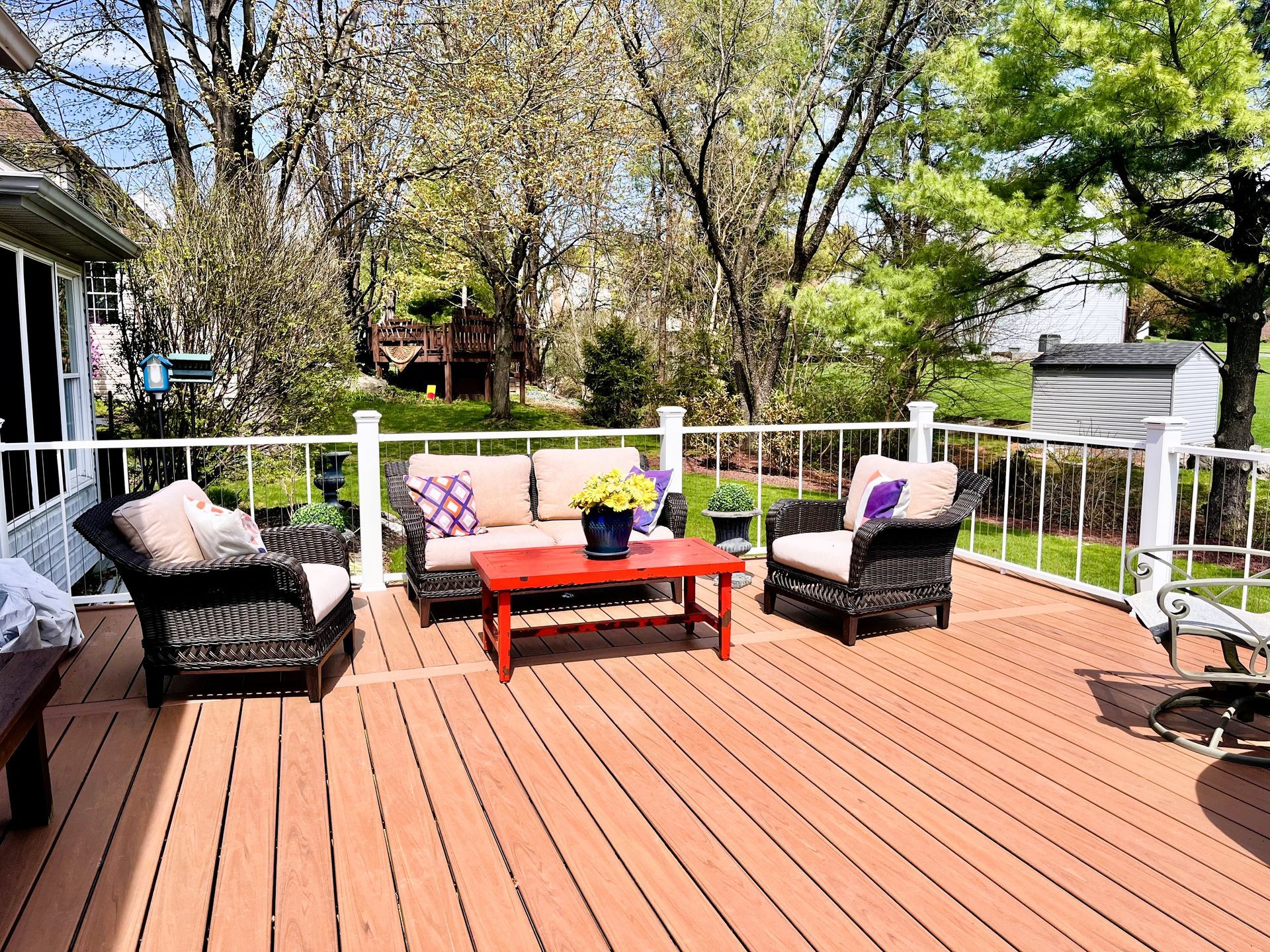
Mold grows on dirt and pollen that gets trapped under heavy outdoor furniture, not on the synthetic board itself. Moving your chairs and rugs every few weeks prevents organic debris from accumulating in the dark shadows. Using breathable woven mats instead of heavy rubber backed rugs allows trapped moisture to evaporate quickly after a heavy rainstorm.
Make An Informed Decking Choice
Knowing the true care requirements of synthetic materials means you will never be surprised by seasonal upkeep. A highly realistic maintenance plan ensures your outdoor investment remains a beautiful asset for your property.
Contact our team to discuss which composite options fit your daily lifestyle and your budget.
Share This Blog