How To Stop Heavy Pergola Posts From Rotting At The Concrete Base
Garloff Carpentry, LLC. • September 2, 2026
Building a large shade structure provides incredible comfort during the hottest months of the year. The biggest threat to your new outdoor living space sits right where the wooden columns meet the ground. The team at Garloff Carpentry, LLC handles foundation and framing issues on properties all over Bucks County. Ground moisture slowly destroys thick timber if the base connection lacks proper drainage and airflow.
Water naturally travels up the grain of untreated wood through capillary action like a sponge soaking up a spill. Many homeowners build beautiful overhead structures but sink the supporting lumber directly into wet soil or flat cement. Using trade specific mounting brackets and establishing a strict care routine prevents this hidden structural decay. Following these maintenance guidelines ensures your heavy overhead beams remain safely supported for decades.
What We Cover:
1. Immediate Post Installation Aftercare
2. Common Maintenance Mistakes That Cause Wood Decay
3. Ongoing Base Protection Habits
4. Signs You Need Structural Attention
Immediate Post Installation Aftercare
The way your timber sits on its foundation determines how much water it absorbs after a heavy rainstorm. Freshly built pergolas require immediate attention to guarantee the hardware sheds water properly away from the grain. We use elevated metal standoff brackets during our custom deck and pergola builds to keep the wood completely separated from the masonry.
Should pergola posts be buried in concrete or mounted on top?
Wood posts should never be buried directly in wet concrete because the cement traps ground moisture against the timber forever. Even pressure treated lumber rots when submerged in a damp environment without any chance to dry out. Professional builders always pour a solid concrete footer first and then mount a galvanized steel bracket on top. This bracket holds the wooden post an inch above the masonry so water evaporates freely.
- Hardware Inspection: Check all anchor bolts and heavy fasteners tightly within the first month of completion.
- Bracket Clearance: Verify there is a clear air gap between the bottom of the wooden post and the flat concrete footing.
- Initial Sealing: Apply a high quality penetrating oil to the end grain at the bottom of the post to repel splashing water.
Common Maintenance Mistakes That Cause Wood Decay
Ruining a perfectly good foundation bracket usually happens entirely by accident during routine yard work. Homeowners often try to hide the industrial looking metal brackets by covering them up with organic landscaping materials. Doing this completely defeats the purpose of the elevated hardware and traps water directly against the timber.
- Piling Heavy Mulch: Pushing wet wood chips directly against the base of the column guarantees rapid fungal rot.
- Planting Dense Shrubs: Growing thick bushes tightly around the posts blocks the wind and prevents the wood from drying.
- Incorrect Washing: Spraying the base with a high powered pressure washer forces water deep into the wood grain.
- Sealing Trapped Moisture: Applying thick latex paint over wet timber locks the water inside to rot the core.
When property owners switch from struggling with constant maintenance to enjoying a properly built structure, the relief is obvious. It is a pattern our crew hears regularly after finishing a major backyard upgrade.
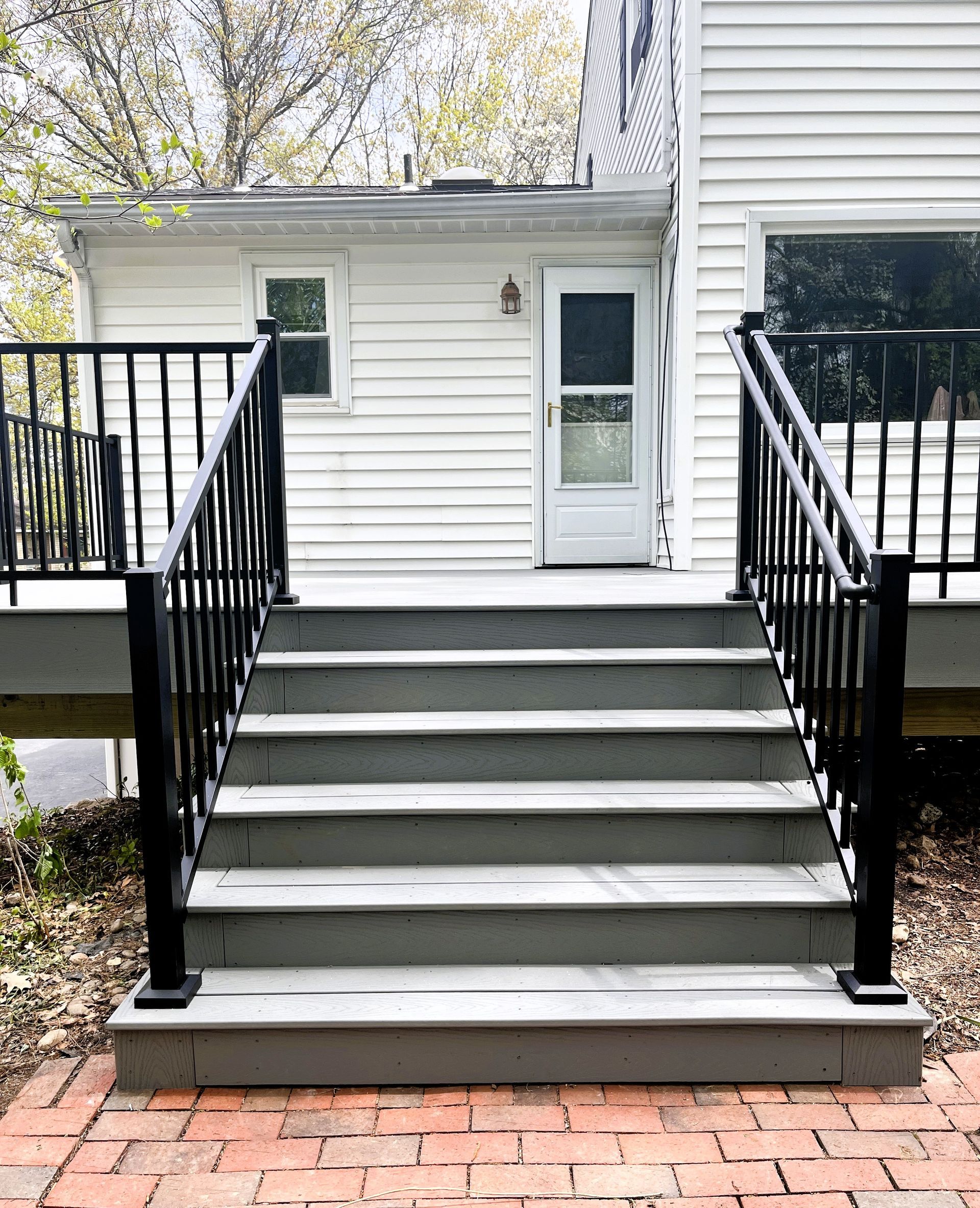
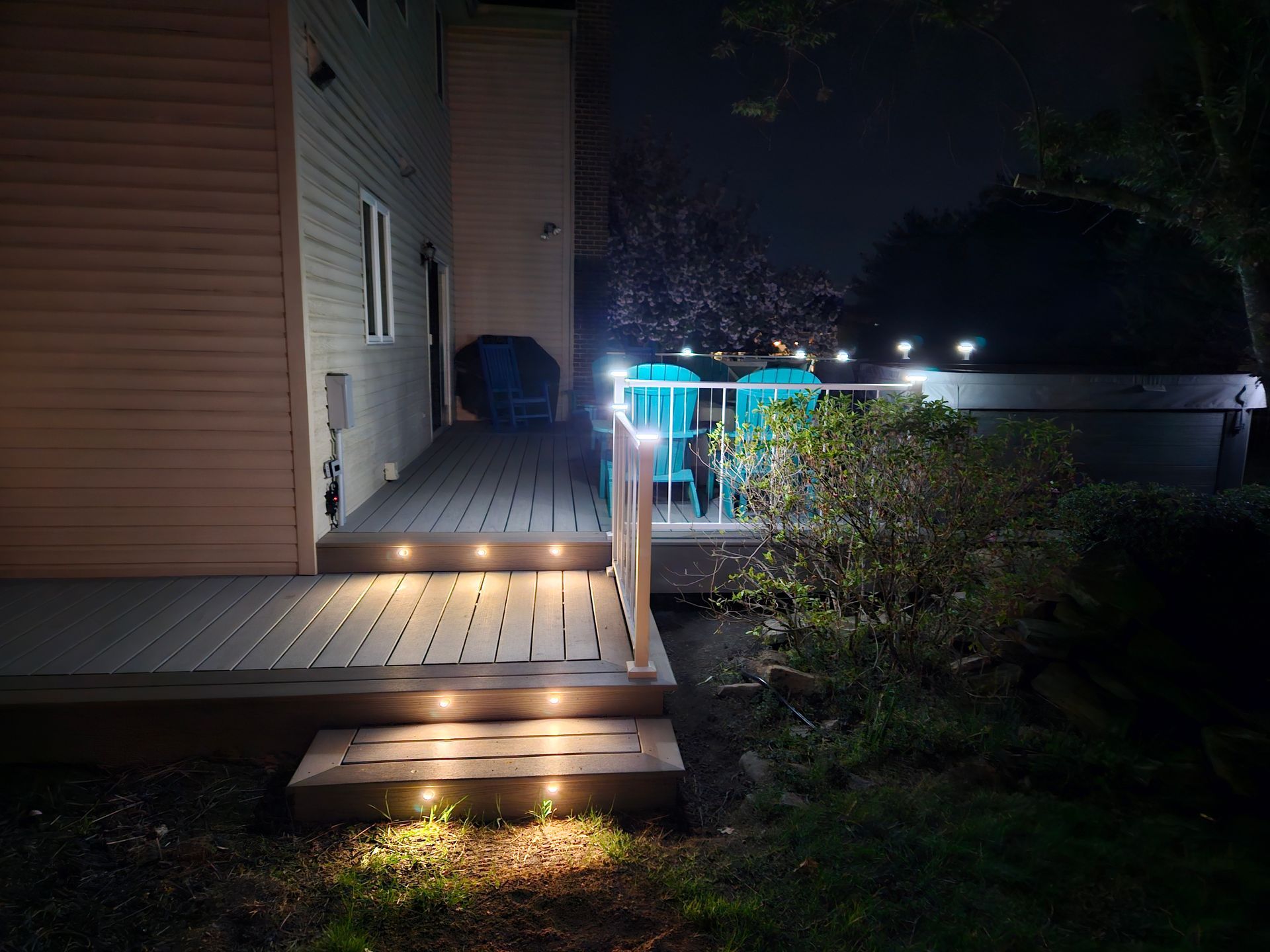
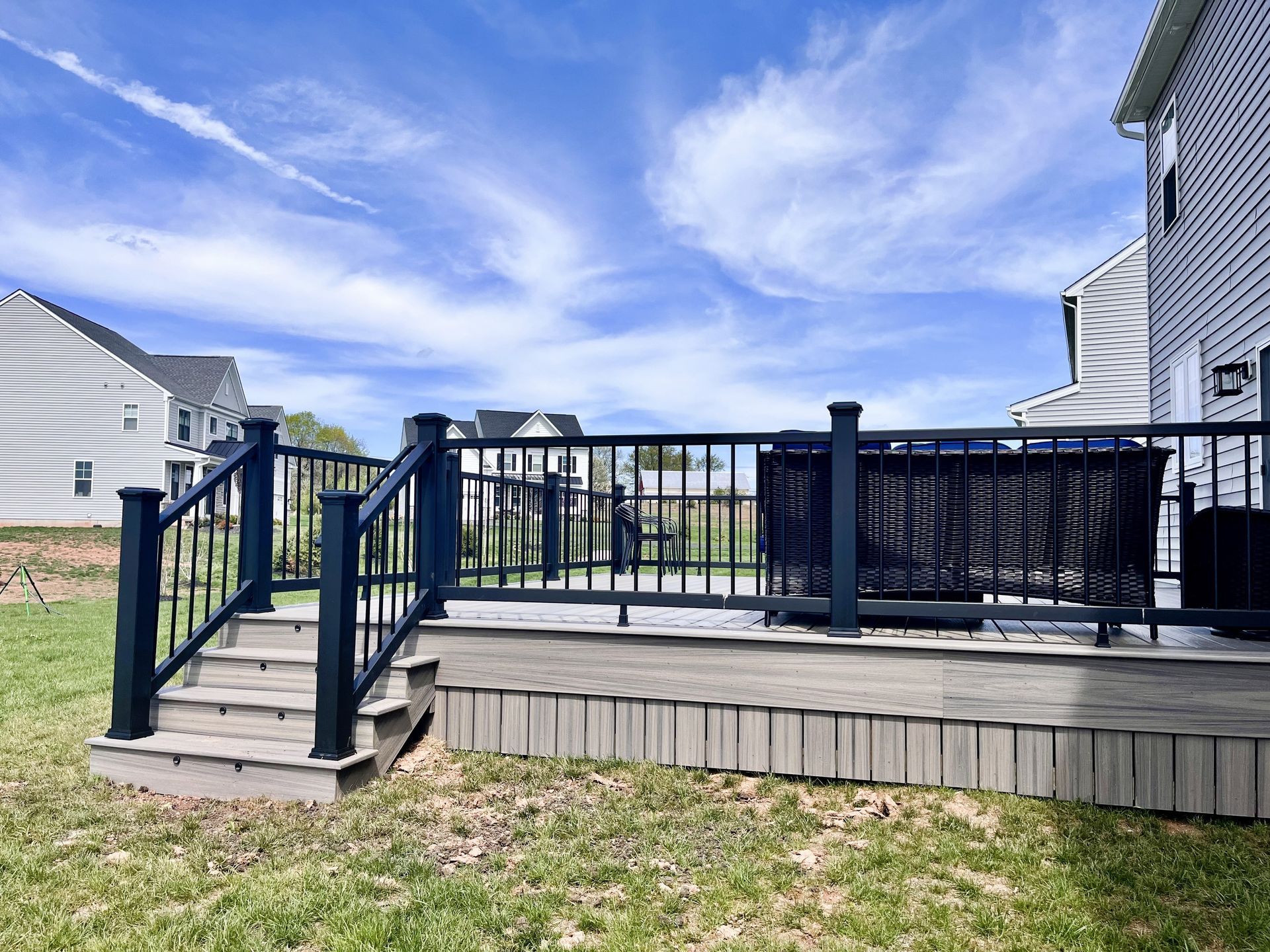
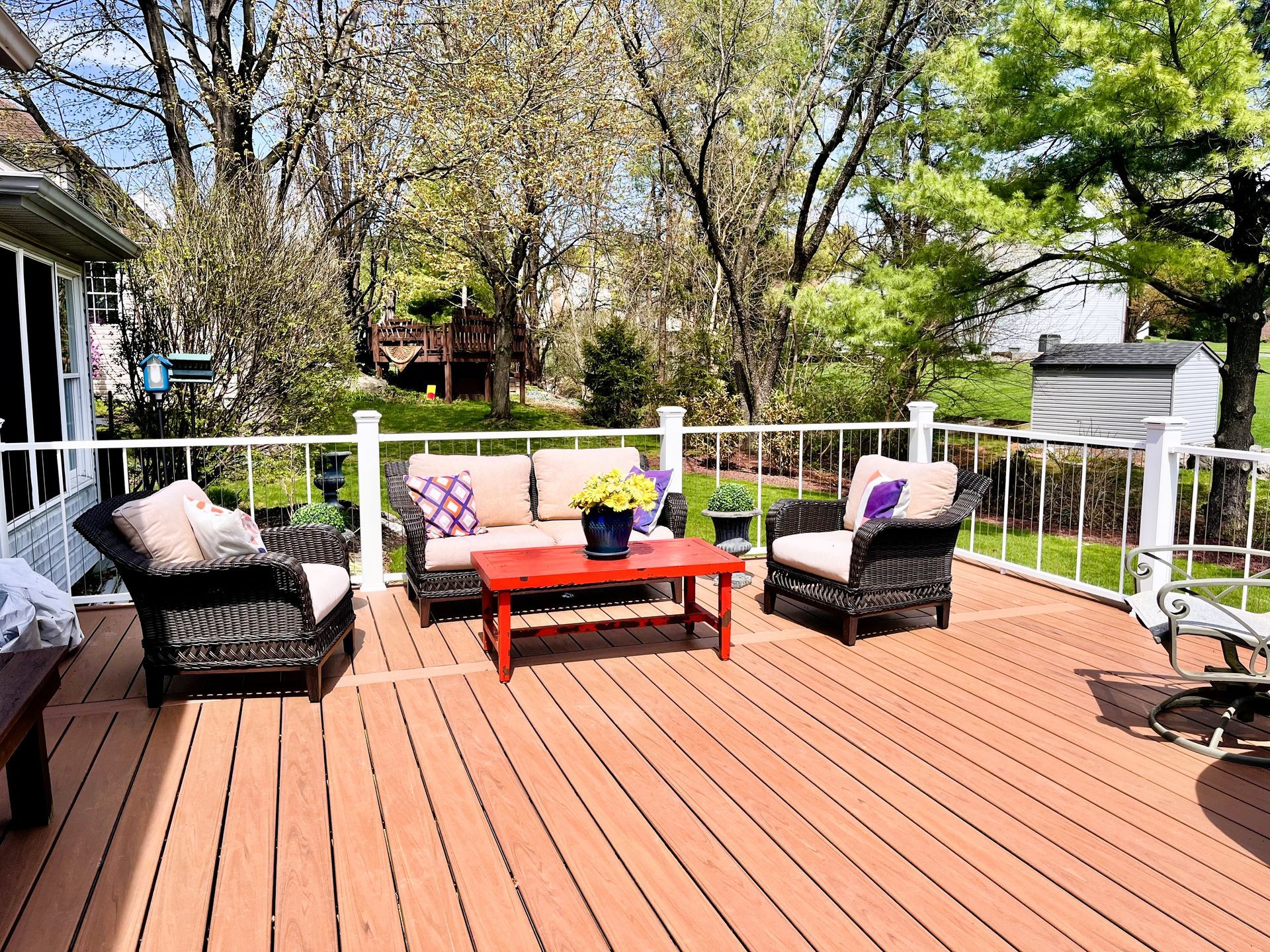
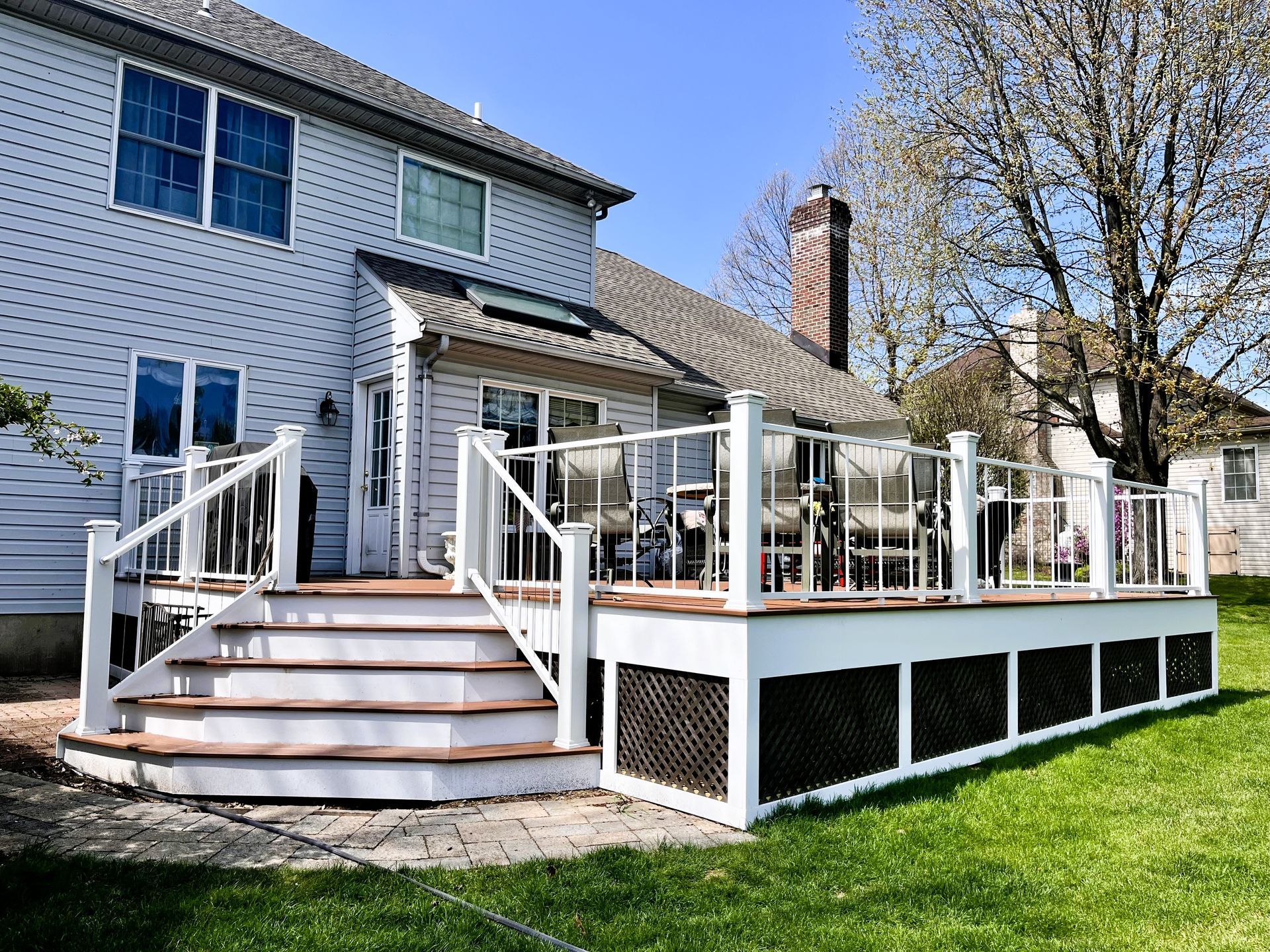
► Client Experience: We had our deck installed by Garloff Carpentry. The team was great to work with and we are very happy with our new covered trex deck. I would definitely recommend. - Jason Alter
Getting the foundational details right means you spend your weekends relaxing instead of doing heavy structural repairs.
Ongoing Base Protection Habits
Protecting your outdoor investment requires keeping the immediate area around the columns clean and dry. Regular visual inspections catch minor drainage problems long before they threaten the heavy timber. Keeping the concrete footers clear of debris is the easiest way to double the lifespan of your shade structure.
► Standing water pooling around your concrete footers is the number one cause of premature structural failure in backyard builds.
- Clear Seasonal Debris: Sweep wet leaves and packed dirt away from the metal brackets after every major storm.
- Maintain Proper Grading: Add gravel around the footer to ensure rainwater always flows downhill away from the foundation.
- Monitor Lawn Sprinklers: Adjust your irrigation heads so they do not spray directly onto the wooden posts every morning.
Signs You Need Structural Attention
Wood rot often hides behind a thin layer of healthy looking timber on the surface. You must physically inspect the base of each column twice a year to ensure the core remains solid. Catching early decay allows us to perform isolated repairs before the entire roof system sags.
- The Screwdriver Test: Press a flathead screwdriver firmly into the base of the wood to check for spongy spots.
- Check For Fungal Growth: Look for white or black mold creeping up the bottom six inches of the lumber.
- Look For Metal Rust: Heavy rust on the galvanized standoff brackets indicates constant water pooling at the base.
Secure Your Outdoor Investment
Protecting your shade structure starts from the ground up with smart landscaping and clear drainage paths. Sticking to a simple maintenance routine prevents the heavy timber from soaking up destructive ground moisture. Contact our office today if you suspect your columns are rotting and need professional reinforcement.
Share This Blog